Health insurance gives peace of mind only when the claim goes smoothly at the time of need. Most claim problems come from not knowing the process, missing documents or policy conditions that were not read at the time of buying. This guide explains the two ways to claim — cashless and reimbursement — and how to avoid common issues.
1. Cashless claims
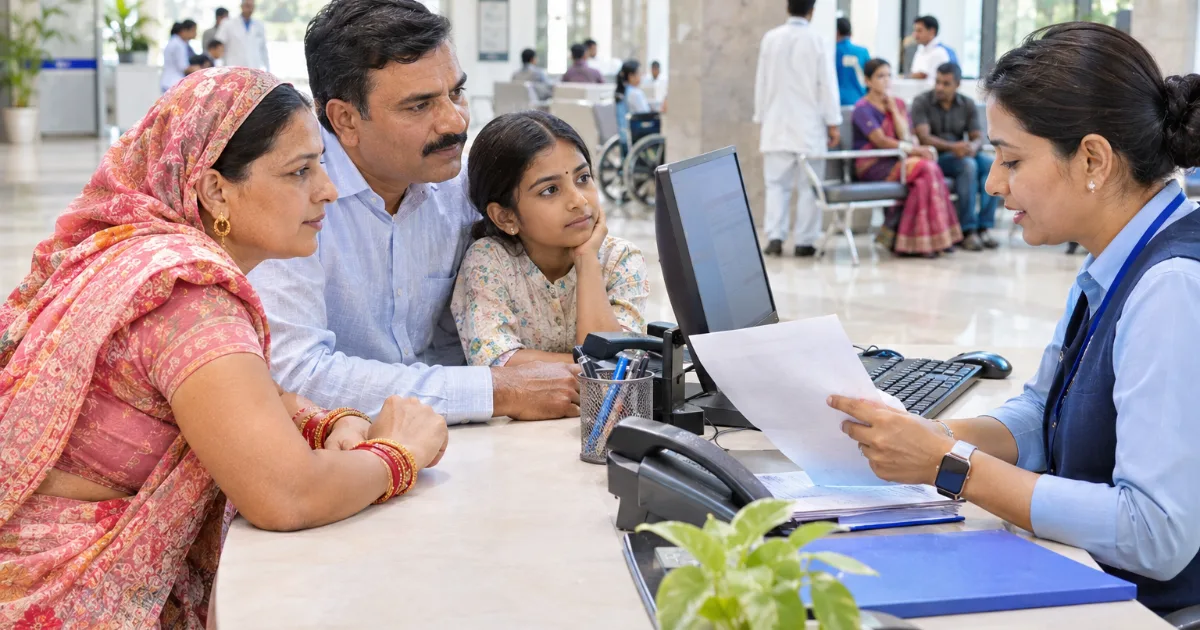
In a cashless claim, the insurer (or its third-party administrator, TPA) settles the bill directly with a network hospital. You pay only for items not covered by the policy.
- Planned admission: inform the insurer or TPA in advance, as required by your policy, and submit the pre-authorisation form through the hospital’s insurance desk.
- Emergency admission: the hospital sends the pre-authorisation request after admission; inform the insurer within the time given in your policy.
- At discharge: the hospital sends the final bill for approval. Check the bill and the approval letter before you sign.
2. Reimbursement claims
If you are treated at a non-network hospital, or cashless is not approved, you pay the hospital first and then claim the amount from the insurer.
- Inform the insurer within the time limit in your policy.
- Collect original bills, receipts, the discharge summary, investigation reports and prescriptions.
- Submit the claim form with all documents within the deadline stated in the policy.

3. Documents to keep ready
- Health card or policy number and photo ID of the patient.
- Doctor’s advice for admission and the discharge summary.
- Itemised hospital bill, payment receipts and pharmacy bills.
- Test reports and, where relevant, the FIR or medico-legal certificate for accidents.
- Cancelled cheque or bank details for reimbursement.
4. Why claims get reduced or rejected
- Waiting periods: pre-existing diseases and some specified illnesses are covered only after a waiting period.
- Room rent limits: choosing a room above the policy limit can lead to proportionate deductions on other charges.
- Non-payable items: some consumables and administrative charges are not covered.
- Non-disclosure: not declaring existing conditions when buying the policy can lead to rejection.
- Late intimation or missing documents.
5. If you disagree with the decision
Ask the insurer for the reasons in writing. You can raise a complaint with the insurer’s grievance cell, and if not resolved, approach the Insurance Ombudsman or IRDAI’s grievance channels as per the current rules.
6. Tips when buying or renewing
- Read the policy wording for waiting periods, room rent limits and co-payment.
- Check the list of network hospitals near your home.
- Declare all existing illnesses honestly.
- Renew on time so that waiting-period benefits continue.
See our family insurance checklist and our insurance page for cover options. For choosing hospitals and doctors, ATTPL Healthcare shares practical health guides and care options.
7. A simple claim-day checklist
- Carry the health card or policy number and a photo ID for the patient.
- Ask the hospital insurance desk to start the pre-authorisation as soon as possible.
- Keep the insurer’s helpline number and your policy document handy.
- Ask for an estimate and check which items may not be payable.
- Before discharge, review the final bill and the insurer’s approval letter.
- Keep copies of every document you submit.
A few minutes of preparation can save hours of stress at the hospital, for both the patient and the family.
It also helps to keep a digital folder for each family member with the policy schedule, renewal receipts, the list of declared illnesses and past claim papers. When an emergency happens, anyone in the family can find what the hospital and the insurer need in minutes.
Frequently asked questions
Can I get cashless treatment at any hospital?
Cashless is available at the insurer’s network hospitals, subject to approval. At other hospitals you usually pay first and claim reimbursement.
How soon must I inform the insurer?
The time limit is written in your policy; it is usually in advance for planned admissions and within a short period after emergency admissions.
Why was only part of my claim paid?
Common reasons are room rent limits, co-payment, non-payable items and sub-limits. The settlement letter should list each deduction.
Want help choosing the right health cover? Contact ATTPL Finance.