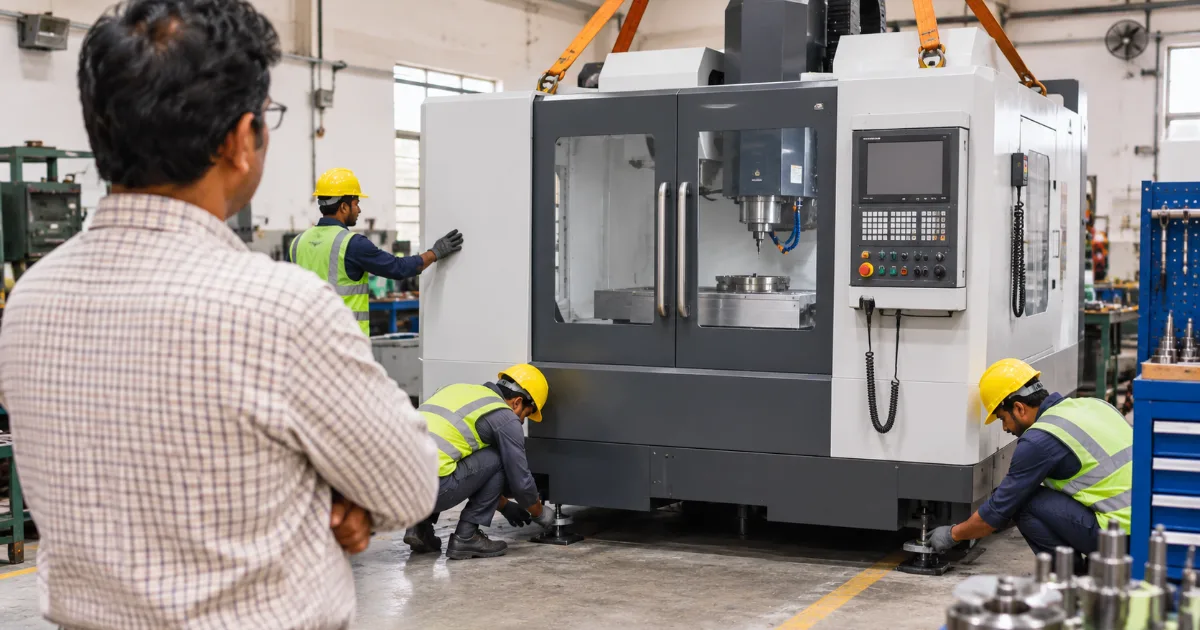
New machinery can raise output, improve quality and cut costs, but buying it ties up a large amount of cash. Equipment and machinery loans let micro, small and medium enterprises (MSMEs) spread that cost over the machine’s productive life. This guide explains how these loans work, what lenders look for and how to prepare a strong application. It is general information — compare offers and read the sanction terms carefully.
1. What can be financed
- Production machinery: CNC machines, presses, looms, packaging and processing lines.
- Construction and earth-moving equipment.
- Medical, laboratory and testing equipment.
- Commercial vehicles and material-handling equipment such as forklifts.
- Renewable energy assets such as rooftop solar for the factory.
2. Types of financing
- Term loan from a bank or NBFC: repaid in instalments over several years, often with the machine hypothecated to the lender.
- Vendor or manufacturer finance: tie-ups that may offer quick approval or promotional terms.
- Collateral-free credit: eligible MSME loans may be covered under the Credit Guarantee Fund Trust for Micro and Small Enterprises (CGTMSE), reducing the need for extra collateral. See our Mudra and CGTMSE guide.
- Leasing: you pay rentals to use the asset, which can suit equipment that becomes outdated quickly.
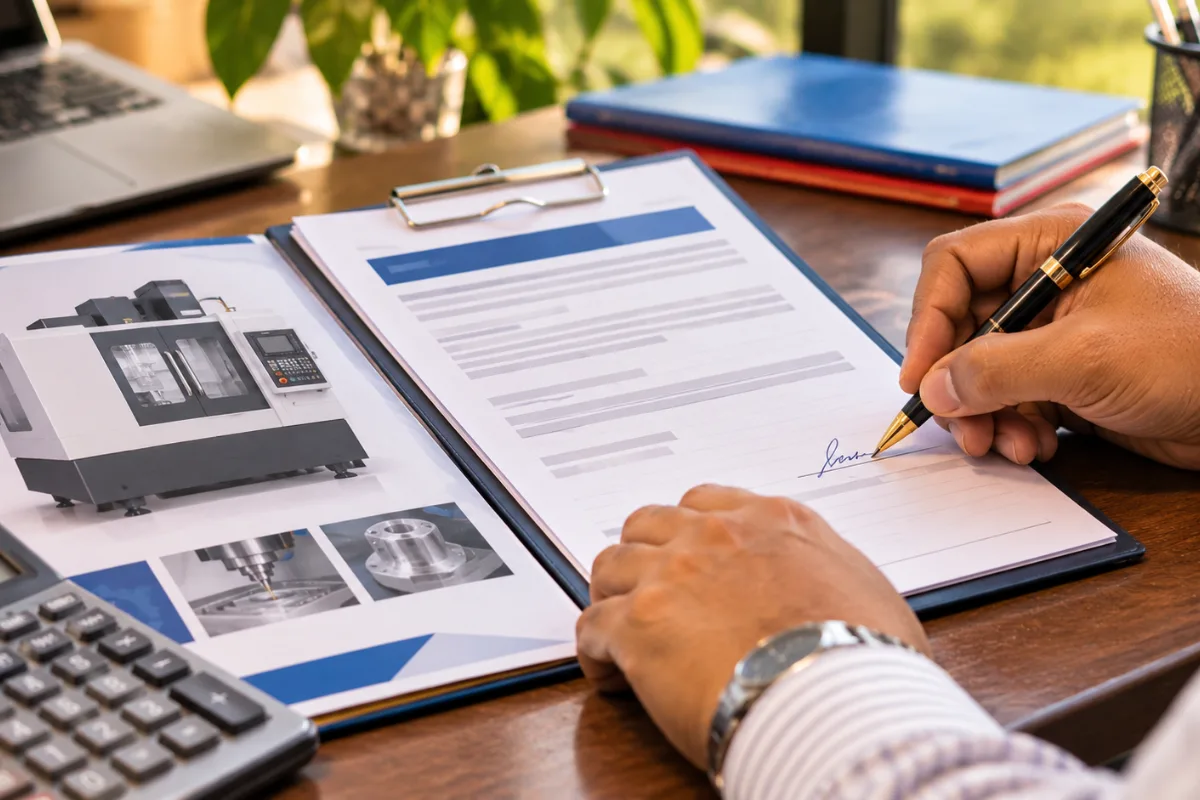
3. What lenders assess
- Business vintage, turnover and profitability.
- Cash flow to service the EMI, often judged through bank statements and GST returns.
- Credit history of the business and promoters; see how to improve your credit score before applying.
- The machine’s quotation, supplier credibility and expected productivity gain.
- Your margin money — the portion you contribute from own funds.
4. Documents usually required
- KYC of the business and promoters, and Udyam registration.
- Bank statements, GST returns and income tax returns.
- Audited or provisional financial statements.
- Proforma invoice or quotation for the machinery.
- Project report for larger investments, showing how the machine improves revenue or reduces cost.
5. Comparing offers
- Interest rate and whether it is fixed or floating.
- Processing fees, documentation charges and insurance requirements.
- Tenure aligned to the machine’s useful life.
- Prepayment and foreclosure charges.
- Moratorium for installation and commissioning.
6. Planning the purchase
Before applying, prepare a simple payback calculation: extra output or savings per month versus the EMI and running costs. Plan installation, power load and space; our group’s guide to setting up a manufacturing unit in Rajasthan covers related approvals. Keep working capital separate so the new machine does not squeeze day-to-day operations.
Frequently asked questions
Can I get a machinery loan without collateral?
Eligible micro and small enterprise loans may be covered under CGTMSE, which can reduce or remove the need for extra collateral, subject to lender policies.
Can used machinery be financed?
Some lenders finance used equipment after valuation, usually with shorter tenure and higher margin.
How long is the repayment period?
Tenures commonly range over several years and are linked to the asset’s useful life and your cash flows.
Sources
- Credit Guarantee Fund Trust for Micro and Small Enterprises
- Udyam Registration portal
- Ministry of MSME
ATTPL Finance is not a licensed financial advisor; this article is for general information.
Planning to finance new machinery? Contact ATTPL Finance.